Wednesday, July 14, 2021

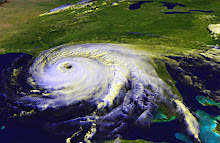
Rapid Intensification

In recent years, we've seen several storms coming up through the Gulf of Mexico that were not forecast to become major hurricanes until just hours before landfall.

Hurricane Michael in 2018, for example. A couple of days out, it was expected to be a Category 2, at worst. Five hours before landfall, it was a mid-range Cat3. By the time it hit the Florida coast, it was a Cat5. 

Scientists are now studying what causes this rapid intensification. One theory is that when we have a busy hurricane season, one storm comes through and churns up the Gulf waters. The cooler waters are pulled to the surface, and the warm water is pushed down. After the storm, the surface waters warm up, but the deeper water doesn't have time to cool down before the next storm comes through.

Warm water fuels hurricanes.

A group called Saildrone is sending their autonomous boats into hurricanes in  2021 to collect data at surface level. 

Hopefully, we will learn more about this phenomenon of rapid intensification, so forecasters can more accurately predict the strength of a storm early on, giving coastal residents more time to prepare.

It's best to always assume the worst is going to happen. If you put your shutters up expecting a Cat4 or 5 storm, and it turns out it's only a tropical storm, it's just a few hours wasted. If you expect a tropical storm or a Category 1, and you don't prepare, you could be putting your safety at risk. 

My Mam-ma always said, "Better safe than sorry."


Sunday, May 4, 2014

Disasters Can Strike at Any Time

Last week, my hometown was expecting some rain. What we got was a record-setting drenching that flooded more than 1,500 homes in three counties and left several roads impassable.

A lot of people were not prepared.

We have canned goods and bottled water on standby because we're getting close to hurricane season. It's nice to have stuff like that around in case of any power outage, which could be from a storm, a work crew cutting a line, or a traffic accident.

We have sandbags, because we've had a "hundred year rain" at least three times since we moved into our home ten years ago, and that's not counting hurricanes.

Thankfully, I had been hounding the county engineer, public works department, and my commissioner's office since April 1, demanding some maintenance work on our drains. They came out and did a little work, not to my satisfaction, but I have no doubt now that it kept our home from flooding. 
April 29-30, 2014. Map Courtesy WEAR-TV

I mean, look at these numbers! This map shows the massive amount of rain recorded in different areas. I don't know exactly how much fell at my house, but I live kind of between the 18" and the 26" points.

Bear in mind, our street fills up when we have two or three inches of rain. It was literally at our front porch by the time it stopped, and it did get into my husband's workshop in the back yard.

I really don't know what I would do if the water started coming in. Try to move stuff from the floor to the top of the furniture, maybe. Get the cats into their carriers and onto something tall. I heard of two dogs that drowned in their kennels before their owners realized how bad it was getting. That broke my heart. Once the water fills the street, there's no escape. The car wouldn't run through it. And I know of at least once person who drowned in her car. That broke my heart, too.

What will I do differently next time?

I'm definitely looking into flood insurance. We don't live in a flood zone, so we shouldn't "need" it, but I don't anticipate the county will correct the drainage problems we've had for ten years before we get another crazy day of rain. At this point, I would rather be safe than have to replace everything we own - and keep paying a mortgage - on a house that's unliveable.

The view out our front gate, July 2013
I will keep after the county to maintain the drains. They agree that the system is inadequate, but I think this event proves it can handle more than they think - if they keep it dug out and clear of weeds and trash.

I would physically move my neighbor's trash myself. She had several bags on the curb, and my husband pointed out that the water was going to get at least that high (it got higher) and she needed to move them. When he went out with his pitchfork at six in the morning and waded into the ditch to start clearing the culvert, he found her bags blocking it up. The street was mostly clear a few minutes after that.

A lot of people are asking, "When is FEMA coming?" They want their free money to buy what they need, including food and clothes. Most of the people affected don't have flood insurance; they have drainage issues like we do. But there's a procedure in place before FEMA can start passing out the checks. The local governments have to assess the damages. Then FEMA has to look for themselves and verify that it's really as bad as they're told. The area has to have a minimum amount of damage to homes, infrastructure, and businesses before your community can be declared a federal disaster area, so they have to do the math. Only then can the declaration be made.

So, be prepared to care for your family and pets for at least a week. Maybe that means canned food that will still be good if it gets wet. Maybe that means having some plastic bags to put medications in or a storage tub that you can put some clothes in before they get wet, and stick it up in the attic or on a top shelf. Sometimes really bad things happen and you will need help to recover. But be pro-active to give yourselves a few days that you can survive on your own before the U.S. Cavalry arrives.

It can happen any time and without warning.

Be safe. Be ready.

Monday, August 19, 2013

Disaster Tech For Your Next Emergency

The tropics are quiet for the moment, but we've already had five named storms so far in 2013. The height of the season begins now. Time to look at the tech you have to help you through a natural disaster.

Eton Cell Phone Charger
Techlicious has a great article on gadgets you can use during a power outage. My favorite is the Eton BoostTurbine 2000mAh Portable Backup Battery Pack-Charger (pictured, left). This one's about $60 at Amazon, but the company makes some other portable, self-powered charging units that are cheaper. I don't have a smartphone, but I can make calls, send text messages, and tweet from my old-fashioned flip phone. That gives me several ways to keep in touch with family and friends, even if the power's out, the phone lines are down, and the internet is dead.

The Tampa Bay Times profiles several kinds of storm gear, including some home water purifiers. Right after Hurricane Ivan, we were getting just a trickle of water, at best, until the company repaired damaged pipes and equipment. You should have enough bottled water for your family and pets for at least three days, but if repairs take longer than that, or if you want to be sure you have clean water for washing up, a purification device provides a simple worry-free option. You can also use water purification additives or add plain bleach.

Remember, some of the most important items in your disaster kit are gadgets, and they need to be powered by batteries, solar, or crank - not electricity.
  • Portable Radio
  • Flashlight
  • Can Opener
  • Hand Tools
Review your emergency kit today. Make sure you have fresh batteries for everything that needs them. If disaster strikes, you'll be glad you did.

Sunday, July 14, 2013

Free Hurricane Safety Handbook

The Gulf of Mexico Alliance has put together state-specific handbooks to help you get ready for a hurricane and of other natural disasters, including floods and tornadoes. These are free pdf downloads, so, you have no excuse not to take a look at the handbook for your state and see if your disaster plan is missing anything.

The book is more than just a checklist. They include radio stations you can turn to for information in your area, websites that can provide additional information on things like flood risk, and agencies and organization that may be able to provide you with guidance or assistance before, during, or aftter a disaster. Because these are in-depth guides, the files are pretty big. It may take a few minutes for it to download . 


Alabama
Florida
Louisiana
Mississippi
Texas


Please note, these links are not direct to the pdf, in case the link changes. They are links to a page that has information about and a link to the handbooks. You may have to scroll down a bit to find it. These pages also have a lot of other information that you may find useful.

If you live in an Atlantic Coast state, I'd suggest downloading one of these handbooks anyway, because while they may have some state-specific info that won't apply to you, they'll have a lot that will be the same for any coastal community.

Sunday, June 2, 2013

Start the Season Right


Day two of Atlantic Hurricane Season, and we have a tropical low just entering the Gulf. The National Hurricane Center says it has a low chance of developing into a tropical storm.Still, if you haven't checked your storm supplies, now's a good chance to do it. Even if this storm turns out to be nothing, you'll be ready in case something serious develops between now and November 30.


Food - Do you have at least three days worth of non-perishable food, enough for your whole family, potential guests, and your pets? Remember, you won't have the use of electric can openers, the microwave, or your electric stove.

Water - The rule is one gallon of drinking water per person, per day, and you're expected to take care of yourself for at least three days. FEMA can't bring in supplies until roads are cleared and the local government coordinates someplace for them to set up their distribution center. Don't forget that you'll need additional water for washing hands. Again, don't forget your pets.

Batteries - You'll need a battery-operated or hand-crank radio and flashlights. The radio will help you get crucial information about the storm's movements once the power is knocked out. It's also how you'll find out where those FEMA distribution centers are. And it's awfully dark at night when no one for miles around has electricity. Flashlights and battery-operated lanterns are the best way to see where you're going and what you're doing after dark. Candles and hurricane lamps both put off heat (which you don't need in the South in the summertime) and pose a fire risk. Make sure you have fresh batteries for all your lights, radios, and other emergency devices.

The Florida Public Service Commission, which oversees utility companies, has put together some safety tips. Also check out the sidebar links on this page for more lists of what you need to be ready for bad weather and other disasters.

Wednesday, November 7, 2012

Purifying Water for Drinking

It's important to have plenty of drinking water in an emergency. Of course, the easiest way is to buy bottled water. You can buy it by the gallon, or in 2.5 gallon bottles, or in the huge bottles that you need a water cooler to use.
You can also store tap water in sealed containers, if you know that a disaster is about to befall your community.

If you don't have time to stock up on water or if the disaster is sudden, you may need to purify the water that you have on hand. Perhaps it's trickling in to your faucet through damaged lines, so it may be contaminated. Maybe you're collecting rain water in a barrel, or you're just not sure how clean that game day Gatorade cooler was when you filled it up. In those cases, you can safely purify water yourself, with the right supplies.

This information is from the Washington State Health Department, who worked with theEmergency Management Division of the Washington State Military Department to put it this together.


These are tips to use when the only water available to you may be contaminated by bacteria or viruses. These techniques will not protect you if the water is unsafe because of chemicals, oils, poisonous substances, sewage or other contaminants. In those cases, do NOT use the water for drinking.

Storing water safely

  • Store one gallon of water per person per day.
  • Store at least a three-day supply of water per person.
  • Collect the water from a safe supply.
  • Thoroughly washed plastic containers such as soft drink bottles are best. You can also purchase food-grade plastic buckets or drums.
  • Seal water containers tightly, label with date, and store in a cool, dark place.
  • Replace water every six months.
  • Never reuse a container that contained toxic materials such as pesticides, solvents, chemicals, oil or antifreeze.

Water purification

There are two primary ways to treat water: boiling and adding bleach. If tap water is unsafe because of water contamination (from floods, streams or lakes), boiling is the best method.
  • Cloudy water should be filtered before boiling or adding bleach.
  • Filter water using coffee filters, paper towels, cheese cloth or a cotton plug in a funnel.

Boiling

  • Boiling is the safest way to purify water.
  • Bring the water to a rolling boil for one minute.
  • Let the water cool before drinking.

Purifying by adding liquid chlorine bleach

  • If boiling is not possible, treat water by adding liquid household bleach, such as Clorox or Purex. Household bleach is typically between 5 percent and 6 percent chlorine. Avoid using bleaches that contain perfumes, dyes and other additives. Be sure to read the label.
  • Place the water (filtered, if necessary) in a clean container. Add the amount of bleach according to the table below.
  • Mix thoroughly and allow to stand for at least 30 minutes before using (60 minutes if the water is cloudy or very cold).

Treating Water with a 5-6 Percent Liquid Chlorine Bleach Solution

Volume of Water to be Treated Treating Clear/Cloudy Water:
Bleach Solution to Add
Treating Cloudy, Very Cold, or Surface Water: Bleach Solution to Add
1 quart/1 liter 3 drops 5 drops
1/2 gallon/2 quarts/2 liters 5 drops 10 drops
1 gallon 1/8 teaspoon 1/4 teaspoon
5 gallons  1/2 teaspoon 1 teaspoon
10 gallons 1 teaspoon 2 teaspoons

Saturday, August 25, 2012

Isaac Is Coming!

We put up some of our hurricane shutters today, on windows in the back of the house, the three pictured plus two smaller windows for the office and bathroom. Unless the track drastically changes, we'll put up most of the other ones tomorrow - side windows for office and bedroom, front windows on bedroom, cats' room, living room, dining room, and probably the back doors. I'm guessing Tim will want to wait and do the front door on Monday, so we can keep using it.

Once I get to work on Monday, I will likely be there until after the storm passes. I'll have the car, as our street will probably flood. With Ivan in 2004 and in the spring floods of 2005, the water got almost to our front porch, so the car will be safer in the parking lot at work. NOT under the tree where I usually park for shade.

I wasn't worried when Isaac was projected to be a Category 1 at landfall. Now it's expected to be a mid-range Cat 2. That's a little more troublesome, especially since we've had so much rain this year. Trees are blowing over left and right in regular thunderstorms. The large trees in our yard are all gone, but one neighbor has several oaks and pecans that could fall on our house, and another neighbor has a tall pine that could hit our shed.

If you want to better understand the Saffer-Simpson Scale (Cat 1-5), check out this animation created by The COMET Program and posted on the National Hurricane Center website. It illustrates how much wind damage can be caused at each level.

Be ready. Be safe.

Isaac on the Way

Isaac is intensifying as it approaches Haiti, and most of the models have it heading into the central Panhandle of Florida on Tuesday.

Ted Lange as Isaac Washington.
Am I the only one who keeps picturing Isaac from The Love Boat? I always liked Ted Lange. Unfortunately, the Isaac that's churning in the Gulf of Mexico is no fun to be around.

The models have been all over the place on this one. Over the past three days, the National Hurricane Center's track has taken the storm as far west as Mississippi and as far east as the Florida Peninsula. Sometimes the models are close together, sometimes they're more spread out.

A lot of different factors go into determining the way the storm will go. Troughs, ridges, high pressure systems all play a role in guiding the storm, and different models predict different developments of those areas. In other words, it's a guessing game. A very scientific guessing game based on our knowledge of weather patterns over the years, but it's guessing all the same.

No matter where the eye makes landfall, the rest of the Gulf Coast will get some of its effects. Right now, the storm is about 460 miles across. It's getting smaller; on Thursday, I read it was 678 miles across and before that, I'd heard a thousand miles across. Tropical cyclones tend to get smaller as they become more organized, as Isaac is doing now. It was a very scattered, low intensity storm. As I write this at 2:30 a.m. on Saturday, the eye is becoming more defined. It makes a pretty picture, but it means the storm is getting scarier.

I bought batteries, duct tape, wet wipes, extra bandage strips, bread, and lots of bottled water today. We have plenty of canned tuna and chicken, potted meat, Vienna sausages, and green beans (which we eat cold out of the can). I also picked up some BelVita Breakfast Biscuits; they're like cookies but with some nutritious value. We have some shelf stable milk in the fridge, but I need to drink up the half gallon of soy milk I bought last week. Maybe that's what doomed us; since Hurricane Ivan, we haven't bought two gallons of milk at the same time, but this is soy AND it's chocolate, so I didn't think it would count. Yes, I'm a bit superstitious about this!

We'll continue to watch the storm's track and decide on Sunday if we need to put up the storm shutters that we got through Rebuild Northwest Florida. I'm glad that we'll be able to cover all of our windows this time; the long windows on the two front bedrooms didn't have any protection before, and all we had over the three large windows on the back room were burglar bars. Our roof was replaced, and between the roofing company and the folks from Rebuild, we have lots of extra nails and tie-downs in, to keep it attached.

I think we're as prepared as we can be.

My worries: one of the neighbors' trees has been leaning a bit since Ivan; the ground is saturated because of the flood event on June 9 and near daily storms since; and one of the cats is sick, which is unrelated to the storm of course, but still an extra stress we don't need. We will have to try to fix up some new sandbags this weekend.

Are you ready for the storm? Do you have a Family Disaster Plan and a well-stocked Disaster Kit? If you live on the Gulf Coast, you should have one ready. If Isaac doesn't come your way, the next storm might.

Friday, August 24, 2012

Tips for Safe Homes

The Federal Alliance for Safe Homes® offers tips and resources for families preparing in advance of Tropical Storm Isaac. Resources include emergency plywood shutter installation, evacuation tips and items for hurricane emergency kits.

As Tropical Storm Isaac moves west, the Federal Alliance for Safe Homes (FLASH)® encourages families to take steps now to properly prepare themselves and their homes for severe conditions. 

"As this storm approaches, families may be tempted to take out a roll of tape for the windows but taping offers no protection against tropical storm or hurricane damage," says Leslie Chapman-Henderson, President/CEO of FLASH. "Right now, families can follow the guidelines in our Protect Your Home in a FLASH toolkit to learn the correct ways to prepare for a hurricane. These free resources can help them get ready for Isaac or whatever else may come this hurricane season."

FLASH recommends these preparedness tips for families in the path of Tropical Storm Isaac:

Protect Your Home

  • If you have hurricane shutters now is the time to install them. Make sure your shutters are working properly and fit securely to ensure proper protection.
  • If you don't have shutters, install plywood, emergency shutters. Never use tape on windows as hurricane protection. 
  • Secure or relocate items outside the house that can blow around. Don't forget about trash cans, grills, toys and potted plants. Also, take time to look for any dead tree limbs and remove them carefully if you have time.
Have an evacuation plan for your home. Before you leave be sure to:
  • Turn off the water, gas and electricity  
  • Leave a note that you have left and where you are going
  • Be sure to lock your home
Prepare Your Family
  • Review your family emergency plan. Be sure to review and update any evacuation plans.
  • Ensure your family emergency kit is complete. Your kit should include, at a minimum:
             o Enough food and water for all members
                of the family, including pets, to last at
                least 72 hours
             o Extra cash on hand since an extended power 
                outage may prevent you from withdrawing
                money from ATM's or banks
             o A battery powered and NOAA weather radio 
             o First aid kit and toiletries
             o Flashlights and extra batteries
             o Blankets, pillows, extra clothes, toys and games
                to keep the family comfortable and occupied
             o Special needs items for babies, family members with special medical needs and pets
  • Fill your gas tank; gas stations rely on electricity to power their pumps.
  • Gather and store important paperwork like insurance papers, mortgage documents, marriage certificates, etc. in waterproof containers.

If the Power Goes Out
  • Do not run a generator inside a home or garage. Use gas-powered generators only in well-ventilated areas.
  • Connect only individual appliances to portable generators.
  • Don't plug emergency generators into electric outlets or hook them directly to your home's electrical system - as they can feed electricity back into the power lines, putting you and line workers in danger.
  • When power comes back on, it may come back with momentary, "surges" or "spikes" that can damage equipment such as computers and motors in appliances like the air conditioner, refrigerator, washer or furnace.
  • When power is restored, wait a few minutes before turning on major appliances to help eliminate further problems caused by a sharp increase in demand.
This is a press release prepared by FLASH. For more hurricane preparedness tips visit www.flash.org or call 877-221-SAFE.

Wednesday, August 1, 2012

The Tropics Heat Up

Tropical depression five is headed towards the Caribbean, and forecasters expect it to reach hurricane strength by Monday. It's expected to pass between Puerto Rico and Venezuela, so all those little islands down there are in the path as it makes a beeline for Jamaica. If it does continue to strengthen as expected, its name will be Ernesto.

If you live on the Gulf Coast, this is the time to look over your hurricane checklists and start doing some preliminary planning. Here's a simple page with a few things to think about, from the Baldwin County, Alabama, Electric Membership Corporation.

Thursday, July 19, 2012

Solar Cell (Phone)

This would be handy in hurricane season or any disaster. Well, any disaster except a nuclear winter when the sky is filled with dust and clouds that obscure the sun.

It's a solar-powered cell phone. Too bad they're only marketed in India. They're only $45!

Of course, I think it was an Indian phone that exploded while plugged in to recharge. Just imagine what could happen if it can recharge anytime, anywhere the sun is shining!

Sunday, July 1, 2012

Ten Minutes to Leave

June 2012 was a month of extremes. Extreme dry weather and heat led to dozens of massive wildfires in the western United States. Extreme rainfall - some related to Tropical Storm Debby, some from thunderstorms- flooded homes, businesses and streets.

Some people had just minutes to grab what they could and leave their homes.

image shows part of a clock face and a little bit of the hands.
If you had ten minutes, at most, to leave your house - perhaps forever - what would you take?

Lives - children and pets - come first, of course.

But then what?

Your computer? Or portable hard drive with all those digital photos you can't replace? Do you have old family photo albums or treasured heirlooms? Valuable jewelry? A change of clothes?

a family prepares a disaster supply kit
It is impossible to keep everything packed all the time, but you can ease your mind a little bit by having an emergency bag handy with a change or two of clothes for each family member, some cheap toothbrushes and other toiletries.

Make copies of all your important documents: insurance policies and cards, ID and birth certificates, lists of bank accounts and credit cards with contact phone numbers. Put the copies in your emergency bag or in your disaster kit along with your non-perishable food and flashlights. Alternatively, invest in a portable, locking, fire- and water-resistant document box and keep any documents and copies there. It'll be safer if left behind, but if it's small, you can grab it along with your suitcase and disaster kit.

Next, make a list. Start with the obvious things first:
  • purse
  • cell phone
  • laptop
  • emergency suitcase
  • disaster kit
  • document lockbox
Make sure you add those things you can't really pack in advance - that pearl necklace you inherited from your great grandmother, the portable hard drive where your photos are stored, your child's favorite blanket or toy.

By making the list when you're calm, you can make decisions about what's most important, what you can fit in your vehicle, and you'll be sure not to forget the most important things. You'll also be able to make your getaway faster, because you'll know what to grab and where it is. You'll have a plan. You won't waste precious minutes standing in the middle of the room asking yourself, "What should I take?

You'll already know.

Here are some links to help you get started:

Build a Kit
Be Red Cross Ready

Monday, June 25, 2012

Strange Season

First four tracks of 2012 courtesy http://weather.unisys.com/hurricane/
What a strange hurricane season this has been. Two named storms before June first, and two in  June, so far. Hurricane Chris didn't make landfall, and Tropical Storm Debby hasn't yet, but will, eventually.

The biggest problem with Debby is that it's such a wet storm, just loitering off the Florida coast and dumping copious amounts of rain. That means flooding for a lot of people.

Any Gulf storm is going to send higher tides and bigger waves to coastal communities, and that brings erosion and some flooding.

Debby spun off some damaging tornadoes in South Florida and did some wind damage. For example, it has snapped off several old or rotted trees and knocked them onto nearby homes.

I look at a Debby, and I say, it's no big deal. It's just a tropical storm. But look at the damage this little storm is doing and imagine if Debby had become a hurricane or a major hurricane.


That's why it's so important to do preventative maintenance, to have a disaster plan, to build an emergency kit. That way, if the "little storm" brings more damage than you're expecting, you're ready. If it grows into a big storm, you're prepared.

Have you been putting off tree trimming, fixing a loose gutter, or cleaning out the drains around your home? If you live in hurricane country, don't put it off too long. It can be tough to find the money and the time, but it will cost you more in the long run, if a storm comes.

Monday, May 28, 2012

Early Start to the 2012 Season

Wow, hurricane season doesn't even start until Thursday, and already we've had two named storms. Alberto and Beryl never got above tropical storm strength. Both storms formed in the Atlantic, just off the East Coast of the U.S.

That said, the forecast released in April by Dr. Bill Gray and his protogé Dr. Philip Klotzbach (whose name comes first on the predictions these days) calls for a quiet season. They wrote:

We anticipate that the 2012 Atlantic basin hurricane season will have reduced activity compared with the 1981-2010 climatology. The tropical Atlantic has anomalously cooled over the past several months, and it appears that the chances of an El Niño event this summer and fall are relatively high. We anticipate a below-average probability for major hurricanes making landfall along the United States coastline and in the Caribbean. However, coastal residents are reminded that it only takes one hurricane making landfall to make it an active season for them, and they need to prepare the same for every season, regardless of how much activity is predicted.

You can read the full report online at the Colorado State University website.

Let's hope they're right!

Win Free Emergency Rations

A website that sells MREs (meals-ready-to-eat), freeze-dried food, and other survival supplies is having a giveaway for a one-year supply of non-perishable foods. The site is The Ready Store You must sign up for their newsletter to enter. The entry form/sign-up box is on the right side of their main page.

NOTE: They email a confirmation with a link you have to click on to confirm your subscription/entry. When I did that, the Ready Store website started to open, then it re-directed to some sort of "fairy dust" page that looked very spammy. This was just after midnight on May 29, 2012. I replied to their confirmation email to notify them of this redirect, so hopefully they'll fix it soon.

iPad 3 Giveaway

The New iPad Giveaway Event is a free blogger event. You will receive one link at no cost as a thank you for participating in this event.
Free Link options are: Email, RSS, Facebook, Twitter or Pinterest.

Prize: The New iPad ~ iPad3 16GB (value $499)

Open to: Worldwide (note – non-US residents will receive the cash equivalent).

The event dates: July 1 at 12:01 am to July 15 11:59am

What is required to join? Post about the event with the button (left) linking back to this post. Feel free to copy paste this (below) along with the button.

Mom to Bed by 8, the Iowa-Mom is proud to present the The New iPad Giveaway Event, sponsored by BeeSavy.

Event dates: July 1 to July 15.

Details: This is a free blogger event, open worldwide and blog accepting sign ups now.

Join The New iPad Giveaway event with special co-host voiceBoks today!

If you do not wish to post the announcement, send the $5 via paypal to goodnightmommyboutique@gmail.com with your email address and BeeSavy Event in subject line or notes portion of the form. Once you have posted your announcement or sent the paypal payment, fill out this form. You will receive an email from me with 7 days, confirming your participation. If you do not, please email me at teri@momtobedby8.com and I will check into it for you. Then around June 28th you will receive another email from me with the html code for publishing the giveaway.

Note it is required that you publish the giveaway html in full to be included in this event. I will verify links on July 1st around 8am central and if you have not done so, your link on the rafflecopter will be removed. This keeps this event fair for all who joins. Referral prize: The top referrer will receive $50 paypal or Amazon credit for your effort. Then the top 2 runners-up will receive $10 paypal or Amazon credit Just make sure to add-on your announcement that they should add your blog name or url in the referred by section on the sign up form. This bonus will be paid the on June 2nd after your referral links have been verified.

NOTE: We at the Hurricane Safety Blog don't know anything about the sponsors of this giveaway, but  we would like to have an iPod. Enter at your own risk.

Wednesday, September 14, 2011

Is Your Community Ready?

After the hurricane-busy summers of 2004 and 2005, I remember some of the hold-ups for getting aid into stricken areas.

DISTRIBUTION SITES

FEMA may be ready to bring in water, ice, and other supplies, immediately after a disaster, but where and how will that be distributed to people in need?

After Ivan, a line of cars, and another long line of people on foot would snake around the parking lot where trucks were passing out water and ice. Permission had to be obtained from the parking lot owner. The parking lot had to be clear of debris and downed power lines. The roads in and out of that area had to be clear for traffic. The sites needed to be in areas accessible to a lot of people, including people who don't have their own cars or maybe didn't have enough gas in their tanks to sit in a line of traffic for two hours.

Major roads or airport tarmacs in the disaster area must also be cleared. The trucks are usually waiting nearby, loaded with supplies. Our local power company sent a caravan of linemen and other personnel to the area about to be hit by Hurricane Irene. They traveled most of the way a day or two before the storm made landfall, so they could move in immediately after the storm passed to start putting power lines back together.

Hurricanes Ivan (2004) and Katrina (2005) both destroyed major roads and bridges, cutting off that route into the disaster area. That meant everyone who evacuated merged with everyone coming to help and they crawled along a secondary route. Necessary detours and traffic jams can add hours to the process of bringing in supplies and other aid.

These things have to be coordinated with local emergency management officials. If they haven't thought through potential disaster scenarios (hurricane, tornado, earthquake, flood, disease, fire, terrorist attack), they may find themselves playing catch-up. Hopefully, your city or county has created a disaster playbook that will allow them to provide instructions quickly and easily to FEMA and other agencies and help them communicate what's happening to residents and aid workers.

We don't like to think about worst case scenarios, but it's the only way to effectively prepare for disaster.

Thursday, September 1, 2011

After Disaster: How to Help


Making a Difference with Your Group 

If your church or civic organization wants to take aid to areas hit by a disaster, you need a plan. Sure, you can load your truck with hand tools and water and head to the disaster area with the best intentions, but it’s much better to make contact with someone in the area and know exactly what you’ll be doing and what to bring along.

Repairs and Rebuilding

If you have able-bodied people with carpentry or DIY skills, you can help people make repairs to their homes. Figure out who you are going to help before you leave and take all the materials and tools you need with you.

For the first couple of weeks, until electricity is restored, power tools are useless unless you have your own generator, extension cords and plenty of gasoline.  If you are going to replace roofs, you need to know what kind of roof you’ll be working on, do you need shingles or rolled roofing? How big is the house? Will you need plywood, OSB or planks to repair a damaged structure or are you just replacing shingles?

Cleaning Up

Bring trash bags, bar magnets for picking up nails, and disinfectant wipes. Unless you know for sure that water is running to the home where you’re working, bring your own water tanks for washing hands or cleaning tools.  Discuss with the homeowner or resident whether you can leave your trash bags there for pick-up. If access to the area is difficult because of damage, the garbage trucks may not be running.  You may need to take your trash to a landfill or another area designated for debris. See if you can find out whether any fees are being charged at those sites. The local government will probably seek reimbursement from FEMA rather than charging people whose homes sustained damage, but it’s better to find out before you get there.

Feeding the Hungry

In a disaster area where power is out, a hot meal is a blessing to disaster victims, first responders, utility crews, and volunteers.  If you want to help feed the army, you need a portable cooking trailer or a commercial kitchen, perhaps available through a church or community center.  Before you leave home, determine what resources you can take with you and what will be available where you’re going.  If you need bottles of LP gas, charcoal for a grill, a generator and gasoline – take it with you. 

Don’t assume you’ll be able to buy what you need in the disaster area. Many stores will be closed and those that are open may not be restocked for a couple of weeks due to roads being closed or lack of electricity. Decide what you’re cooking and look at a recipe. You may have made your grandma’s goulash a thousand times, but that doesn’t mean you’ll remember to pack the salt without reading the recipe or making a list.
You’ll need serving utensils, plasticware, paper or Styrofoam plates, and napkins, as well as salt and pepper shakers (or those little packets), ketchup and other condiments. Try to think through the whole process of cooking the meal, from start to finish and make a list of everything. Ask a couple of other people to look at the list. They may remember something you didn’t.

Clothing Donations

After any natural disaster in our region, the newsroom where I work would be inundated with calls from people asking where they can donate clothing.  It’s understandable. You can clean out your closet and give to people who may have lost everything but the clothes on their back. 

Unless you are gathering items for a specific family and you have their sizes, don’t even think about it.
After Hurricane Katrina, mountains of clothing sat in parking lots getting rained on, because no one was available to sort and distribute it. Also, thrift stores will tell you that they throw away a lot of clothing donations because they really should be trashed due to stains or other wear-and-tear.  

The best way to use your old clothes to help disaster victims is to look first at every piece and ask if you would want to receive it if you’d just lost everything. Be honest. Then hold a yard sale to sell it and donate the money for disaster aid.

Break Time

No matter what you are doing in the disaster area, you should bring plenty of food and water for everyone on your team and a good first aid kit. Resources are very limited after a natural disaster.

Wednesday, August 31, 2011

NOAA Gets It Spot On

The National Oceanic and Atmospheric Administration got the track of Hurricane Irene exactly right. Click on the link and watch the video. About 7 seconds in, the satellite image will pause for a second and you'll see the forecast track overlaid. Watch as the eye follows the track exactly.

NOAA Video

Hurricane forecasting is not an exact science, but I think this video shows that the NOAA and National Hurricane Center has developed a real knack for using their weather forecasting tools, historical evidence, and the various ensemble models from agencies and universities around the world to give us a forecast that gives people in the storm's path the best chance to prepare and protect their homes, businesses, and families.

Excellent work, NOAA!

Monday, August 29, 2011

Hurricane Aid: How Can I Help


First an earthquake, then a hurricane. The mid-Atlantic states were slammed in August 2011. If you’re not in that area, and you want to help those who are, here are some ways you can make a difference.

Help Someone You Know

Do you have friends or family in the affected area? Maybe a former co-worker has moved up there or someone you deal with for work is based there. Ask them how they are doing and what they need. Keep in mind that the mail may not run for a few days until roads are cleared of debris or flood waters recede, so it may be hard to meet immediate needs. Of course, if the person evacuated, depending on where they went, you can meet them or send them something to where they’re staying. 

Work As a Group

Churches and civic organizations often travel to the affected area, taking supplies like water, non-perishable food, school supplies and clothing (for people who lost their homes). They may help people clean up their yards or repair damage. Sometimes, if they have a portable food trailer available or can arrange to use an available kitchen in the area, they prepare and serve meals, so people who live in the community have one less thing to worry about; they can just sit down and eat. 

Give to Reputable Charities

The American Red Cross and Salvation Army will provide food, water and ice to people whose electricity is out or those living in shelters because their homes are flooded or destroyed. They also help people who lost everything get some clothing or shelter while they’re waiting for insurance payments (assuming they have insurance). Organizations like that have systems to help make sure the money gets to people who legitimately need it. Of course, someone’s always going to fool the system, and those are the ones you hear about, but these charities really do help those in need.

Don’t Forget the Animals

Many animals will end up in shelters because they got separated from their owners or maybe some didn’t have homes but they got picked up during the massive sweeps that will go through the hard-hit areas.  You can send money to an animal charity, such as the Humane Society or ASPCA that serves one of the disaster areas. A lot of pet rescue organizations will also go into help rescue trapped, injured or traumatized animals, and they’ll need money to buy food, bottled water for the animals and their workers, and supplies to help clean up and treat the pets. 

Beware of Scams

After a disaster, the con artists come out. You may see pleas for help on Facebook or online forums. Someone may come to your door and say they evacuated to your community from North Carolina and can you help them. Scammers will make phone calls to random numbers asking you to give money to help those in need.  Be wary. Don’t give to someone who calls you on the phone. Don’t click on links in emails to “donate now.” It’s much better for you to look up the organization you want to give to and call them or find their website on your own to donate. Emails that may look like they’re coming from an legitimate organization can still be fakes.