Showing posts with label readiness. Show all posts

Sunday, July 14, 2013

Free Hurricane Safety Handbook

The Gulf of Mexico Alliance has put together state-specific handbooks to help you get ready for a hurricane and of other natural disasters, including floods and tornadoes. These are free pdf downloads, so, you have no excuse not to take a look at the handbook for your state and see if your disaster plan is missing anything.

The book is more than just a checklist. They include radio stations you can turn to for information in your area, websites that can provide additional information on things like flood risk, and agencies and organization that may be able to provide you with guidance or assistance before, during, or aftter a disaster. Because these are in-depth guides, the files are pretty big. It may take a few minutes for it to download . 


Alabama
Florida
Louisiana
Mississippi
Texas


Please note, these links are not direct to the pdf, in case the link changes. They are links to a page that has information about and a link to the handbooks. You may have to scroll down a bit to find it. These pages also have a lot of other information that you may find useful.

If you live in an Atlantic Coast state, I'd suggest downloading one of these handbooks anyway, because while they may have some state-specific info that won't apply to you, they'll have a lot that will be the same for any coastal community.

Sunday, June 2, 2013

Start the Season Right


Day two of Atlantic Hurricane Season, and we have a tropical low just entering the Gulf. The National Hurricane Center says it has a low chance of developing into a tropical storm.Still, if you haven't checked your storm supplies, now's a good chance to do it. Even if this storm turns out to be nothing, you'll be ready in case something serious develops between now and November 30.


Food - Do you have at least three days worth of non-perishable food, enough for your whole family, potential guests, and your pets? Remember, you won't have the use of electric can openers, the microwave, or your electric stove.

Water - The rule is one gallon of drinking water per person, per day, and you're expected to take care of yourself for at least three days. FEMA can't bring in supplies until roads are cleared and the local government coordinates someplace for them to set up their distribution center. Don't forget that you'll need additional water for washing hands. Again, don't forget your pets.

Batteries - You'll need a battery-operated or hand-crank radio and flashlights. The radio will help you get crucial information about the storm's movements once the power is knocked out. It's also how you'll find out where those FEMA distribution centers are. And it's awfully dark at night when no one for miles around has electricity. Flashlights and battery-operated lanterns are the best way to see where you're going and what you're doing after dark. Candles and hurricane lamps both put off heat (which you don't need in the South in the summertime) and pose a fire risk. Make sure you have fresh batteries for all your lights, radios, and other emergency devices.

The Florida Public Service Commission, which oversees utility companies, has put together some safety tips. Also check out the sidebar links on this page for more lists of what you need to be ready for bad weather and other disasters.

Saturday, August 25, 2012

Isaac on the Way

Isaac is intensifying as it approaches Haiti, and most of the models have it heading into the central Panhandle of Florida on Tuesday.

Ted Lange as Isaac Washington.
Am I the only one who keeps picturing Isaac from The Love Boat? I always liked Ted Lange. Unfortunately, the Isaac that's churning in the Gulf of Mexico is no fun to be around.

The models have been all over the place on this one. Over the past three days, the National Hurricane Center's track has taken the storm as far west as Mississippi and as far east as the Florida Peninsula. Sometimes the models are close together, sometimes they're more spread out.

A lot of different factors go into determining the way the storm will go. Troughs, ridges, high pressure systems all play a role in guiding the storm, and different models predict different developments of those areas. In other words, it's a guessing game. A very scientific guessing game based on our knowledge of weather patterns over the years, but it's guessing all the same.

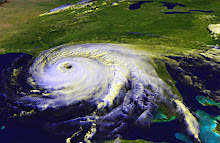
No matter where the eye makes landfall, the rest of the Gulf Coast will get some of its effects. Right now, the storm is about 460 miles across. It's getting smaller; on Thursday, I read it was 678 miles across and before that, I'd heard a thousand miles across. Tropical cyclones tend to get smaller as they become more organized, as Isaac is doing now. It was a very scattered, low intensity storm. As I write this at 2:30 a.m. on Saturday, the eye is becoming more defined. It makes a pretty picture, but it means the storm is getting scarier.

I bought batteries, duct tape, wet wipes, extra bandage strips, bread, and lots of bottled water today. We have plenty of canned tuna and chicken, potted meat, Vienna sausages, and green beans (which we eat cold out of the can). I also picked up some BelVita Breakfast Biscuits; they're like cookies but with some nutritious value. We have some shelf stable milk in the fridge, but I need to drink up the half gallon of soy milk I bought last week. Maybe that's what doomed us; since Hurricane Ivan, we haven't bought two gallons of milk at the same time, but this is soy AND it's chocolate, so I didn't think it would count. Yes, I'm a bit superstitious about this!

We'll continue to watch the storm's track and decide on Sunday if we need to put up the storm shutters that we got through Rebuild Northwest Florida. I'm glad that we'll be able to cover all of our windows this time; the long windows on the two front bedrooms didn't have any protection before, and all we had over the three large windows on the back room were burglar bars. Our roof was replaced, and between the roofing company and the folks from Rebuild, we have lots of extra nails and tie-downs in, to keep it attached.

I think we're as prepared as we can be.

My worries: one of the neighbors' trees has been leaning a bit since Ivan; the ground is saturated because of the flood event on June 9 and near daily storms since; and one of the cats is sick, which is unrelated to the storm of course, but still an extra stress we don't need. We will have to try to fix up some new sandbags this weekend.

Are you ready for the storm? Do you have a Family Disaster Plan and a well-stocked Disaster Kit? If you live on the Gulf Coast, you should have one ready. If Isaac doesn't come your way, the next storm might.

Friday, August 24, 2012

Tips for Safe Homes

The Federal Alliance for Safe Homes® offers tips and resources for families preparing in advance of Tropical Storm Isaac. Resources include emergency plywood shutter installation, evacuation tips and items for hurricane emergency kits.

As Tropical Storm Isaac moves west, the Federal Alliance for Safe Homes (FLASH)® encourages families to take steps now to properly prepare themselves and their homes for severe conditions. 

"As this storm approaches, families may be tempted to take out a roll of tape for the windows but taping offers no protection against tropical storm or hurricane damage," says Leslie Chapman-Henderson, President/CEO of FLASH. "Right now, families can follow the guidelines in our Protect Your Home in a FLASH toolkit to learn the correct ways to prepare for a hurricane. These free resources can help them get ready for Isaac or whatever else may come this hurricane season."

FLASH recommends these preparedness tips for families in the path of Tropical Storm Isaac:

Protect Your Home

  • If you have hurricane shutters now is the time to install them. Make sure your shutters are working properly and fit securely to ensure proper protection.
  • If you don't have shutters, install plywood, emergency shutters. Never use tape on windows as hurricane protection. 
  • Secure or relocate items outside the house that can blow around. Don't forget about trash cans, grills, toys and potted plants. Also, take time to look for any dead tree limbs and remove them carefully if you have time.
Have an evacuation plan for your home. Before you leave be sure to:
  • Turn off the water, gas and electricity  
  • Leave a note that you have left and where you are going
  • Be sure to lock your home
Prepare Your Family
  • Review your family emergency plan. Be sure to review and update any evacuation plans.
  • Ensure your family emergency kit is complete. Your kit should include, at a minimum:
             o Enough food and water for all members
                of the family, including pets, to last at
                least 72 hours
             o Extra cash on hand since an extended power 
                outage may prevent you from withdrawing
                money from ATM's or banks
             o A battery powered and NOAA weather radio 
             o First aid kit and toiletries
             o Flashlights and extra batteries
             o Blankets, pillows, extra clothes, toys and games
                to keep the family comfortable and occupied
             o Special needs items for babies, family members with special medical needs and pets
  • Fill your gas tank; gas stations rely on electricity to power their pumps.
  • Gather and store important paperwork like insurance papers, mortgage documents, marriage certificates, etc. in waterproof containers.

If the Power Goes Out
  • Do not run a generator inside a home or garage. Use gas-powered generators only in well-ventilated areas.
  • Connect only individual appliances to portable generators.
  • Don't plug emergency generators into electric outlets or hook them directly to your home's electrical system - as they can feed electricity back into the power lines, putting you and line workers in danger.
  • When power comes back on, it may come back with momentary, "surges" or "spikes" that can damage equipment such as computers and motors in appliances like the air conditioner, refrigerator, washer or furnace.
  • When power is restored, wait a few minutes before turning on major appliances to help eliminate further problems caused by a sharp increase in demand.
This is a press release prepared by FLASH. For more hurricane preparedness tips visit www.flash.org or call 877-221-SAFE.