Saturday, November 7, 2009
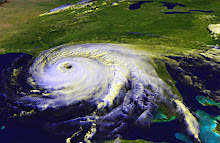
Ida is a tropical storm again.
The Florida panhandle is definitely going to feel some effects from Tropical Storm Ida in a couple of days. All the computer models show it crossing or at least coming near Northwest Florida. The official track is pointing it a bit more towards Panama City, but of course, areas to the west and east are still in the cone of uncertainty. Also, the storm's wind and rain will extend far beyond a single point on the map. Folks in low lying areas should prepare for storm surge as well. Even if Ida is "only" a tropical storm, it could still cause flooding from rising waters as well as rainfall. It's probably a good idea to secure anything that can blow around. We don't know what kind of winds we'll feel, and it's better to be safe than sorry.


Friday, November 6, 2009
Ida expected to re-strengthen
As of noon Friday, Ida is over land and down to tropical depression status. Soon, however, the system will move back over the water and head towards the Gulf of Mexico, where water temperatures are in the mid-80s, and warmer waters feed and strengthen tropical weather systems. Forecasters say Ida could reach hurricane strength again. The National Hurricane Center is anticipating that the storm will travel north for a bit and then turn east into Florida. Computer models are all over the place, with some moving the storm towards Texas or Louisiana, then possibly turn east. Others are following variations of the NHC's track (or rather, the NHC forecasters are putting more trust in those models that head east).
Fortunately, the waters near the coast of Florida are cooler than in the middle of the Gulf. That should help weaken Ida before she makes landfall.
Let's all keep an eye on this storm and be ready to take action to protect our homes and families if she heads our way.
Fortunately, the waters near the coast of Florida are cooler than in the middle of the Gulf. That should help weaken Ida before she makes landfall.
Let's all keep an eye on this storm and be ready to take action to protect our homes and families if she heads our way.
Thursday, November 5, 2009
A Hurricane in Novemberr?!
Hurricane Ida is now swirling in the waters off Nicaragua. That's right, a full-fledged Category 1 hurricane has formed in November.
Hurricane season ends November 30, and it's not unprecedented to see tropical storms and hurricanes this late in the year. A couple of times in recent memory, we've even had named storms develop in December. Aren't those pesky storms watching the calendar?
The National Hurricane Center has the storm crossing Nicaragua and Honduras, losing strength over land, then moving back over the open water, strengthening to tropical storm status and heading into the Gulf.
The good news is, the waters are cooling, so the storm shouldn't gain a lot of strength. It still has the potential to cause some wind damage and flooding upon landfall.
The ensemble models are all over the place, but at this point, if you live on the Gulf Coast, you should begin watching the National Hurricane Center for updates. I'll be checking my stock of canned goods, and I just received a package of six GoPicnic meals through an online giveaway. If the storm hits Pensacola and power gets knocked out, I'll be okay until they get it turned back on. I don't expect this to be a two-weeks-without-power experience, just a couple or three days at most.
At this point in the season, I'm a little calmer, because I don't expect a monster storm. Please, Mother Nature, don't prove me wrong! If you live in an area that could be targeted by Ida, do what I'm doing and watch the track, check for a few supplies, and don't stock up on refrigerated foods.
Hurricane season ends November 30, and it's not unprecedented to see tropical storms and hurricanes this late in the year. A couple of times in recent memory, we've even had named storms develop in December. Aren't those pesky storms watching the calendar?
The National Hurricane Center has the storm crossing Nicaragua and Honduras, losing strength over land, then moving back over the open water, strengthening to tropical storm status and heading into the Gulf.
The good news is, the waters are cooling, so the storm shouldn't gain a lot of strength. It still has the potential to cause some wind damage and flooding upon landfall.
The ensemble models are all over the place, but at this point, if you live on the Gulf Coast, you should begin watching the National Hurricane Center for updates. I'll be checking my stock of canned goods, and I just received a package of six GoPicnic meals through an online giveaway. If the storm hits Pensacola and power gets knocked out, I'll be okay until they get it turned back on. I don't expect this to be a two-weeks-without-power experience, just a couple or three days at most.
At this point in the season, I'm a little calmer, because I don't expect a monster storm. Please, Mother Nature, don't prove me wrong! If you live in an area that could be targeted by Ida, do what I'm doing and watch the track, check for a few supplies, and don't stock up on refrigerated foods.
Tuesday, October 13, 2009
Be ready with an ICE-QUBE.
Having dealt with three major hurricanes in 2004-2005, I am well aware how important it is to be prepared for disaster. Hurricanes aren't the only threat to our security. Terrorism, blackouts, earthquakes, tornadoes, floods, snowstorms, volcanoes (thankfully, our homeowner's insurance does cover volcanic activity) or even a pandemic disease could leave us scrambling to survive.
That's why it's important to have an emergency kit, whether it's something you put together yourself or something you buy.
I was fortunate enough to win a small ICE-QUBE emergency kit from another blog, MommyPR and ICE-QUBE, so I have a chance to review it here. Now, I was expecting the Starter Kit, which retails for $19.99, so I was quite pleasantly surprised to find that they'd sent me their ICE-QUBE To Go, which retails for $149.00!
I'm copying the list of contents from the ICE-QUBE website and I'll give my thoughts next to each:
AM/FM Radio with flashlight, siren and hand-crank - this is a little different than is pictured on the website, but I wound the crank a few times and I was able to test the flashlight and tune in a couple of radio stations (AM and FM). It's not a really bright light to work by, but it would be nice for finding your way in the dark and you don't have to worry about finding fresh batteries. The radio got a clear signal for listening to news and official updates.
Energy Pills - it's a small package of pills. Not sure how well they work, but it's hard work cleaning up after a natural disaster, so hopefully they'll provide some pep.
Face Shield - this is one of those dust mask, cup style paper face mask. It will help filter some dust if you're clearing debris or dealing with smoke and ash. It could also be useful for some medical emergencies, though I don't know how well it will filter germs. Note: this is a different style than what is pictured on the website, and you get one, not several.
First-Aid Kit:
Alcohol Wipes
Antiseptic Wipes
Bandages
Burn Cream
Cleansing Wipes
Ice Pack
Medical Grade Gloves
Tweezers
First Aid Reference Guide
The first aid kit is all packed in a cloth case with a carabiner-style clip on one corner, so you can snap it on a belt loop or backpack. There's not a lot of any one thing, but it's a nice assortment to deal with minor injuries.
ICE Emergency Plan is a card that you fill out with contact numbers, such as work, school, family contacts, doctor and insurance company phone numbers, and pre-agreed information like where the emergency family meeting place is and who will be the family's point of contact out-of-town (this is where you tell everyone you know that if your hometown is hit by a hurricane, you're going to call Aunt Jane in Minnesota and then everyone can call her instead of trying to get through to you right after the storm).
Marker - I'm not sure how long this will stay functional in a closet, but it's good to have a heavy-duty marker to write your FEMA or Blue Roof number on your house or to make "no trespassing" or "danger" signs if you have serious damage.
Multi-tool - a handy small tool in a cloth case, kind of like a Swiss Army Knife. It could be good for pulling nails out of boards, and that kind of minor situation.
Mylar blanket - shiny silver for signaling for help. Great for keeping warm after a blizzard. Well, it's supposed to help you keep warm. Not living the frozen north, I don't know how well it would work. It is plastic, so you might be able to use it like a tarp to block a leak.
Rain Poncho - handy to have if you have to get out in the rain, although in a hurricane, it probably won't really keep you dry.
Rope - This looks smaller than what is pictured. It's more like cord than rope, but it's 50' of nylon that could be used to tie down a tarp or secure something that's in danger of falling.
Tarp/Tube Tent - It's made of a pretty thin material, but it's better than nothing to help block a leak or cover some of your belongings if they're getting wet. I can't think of many situations that would require camping out, but it could provide some shade if you're working outside in the sun. This may be something more appropriate to keep in the car in case something happens while you're on the road. It's bright orange, so it could be used as a signal as well. It is packaged with a small coil of cord.
Thermometer - this is a paper or plastic lay-it-on-your-head thermometer that is packed in the first aid kit.
Whistle - a nice shiny metal whistle to signal for help.
Waterproof Document Pouch - it's a zipper-sealed plastic bag, but it is thicker plastic and larger than what you typically get in the grocery store.
Waterproof Matches - box of matches for lighting candles, hurricane lamps, charcoal grills, gas heaters, or debris fires. Be very careful, especially if the water pressure is down after your disaster. It's really difficult to fight a fire without water.
Work Gloves - very nice cloth gloves. The fingers and part of the palms are coated with rubber or latex or something, which will probably make them a little more waterproof and give you better grip for moving things that are wet.
Waterbag - this wasn't listed on their website, but it's a bag that will hold 2.5 gallons of water with a pour spout included. If you have some warning, you can fill the bag with tap water to ensure you have an ample supply in case you lose water pressure or the lines break.
It's all packed inside this 8" cube and in a heavyweight plastic bag inside the cardboard box, to help keep it dry. The box has a handy plastic handle built into the top.
I did have to laugh a little at one of the press releases included with the kit, which starts out, "In a post 9/11, post Katrina world, Leslie Fastenberg asked herself a serious question 'Does my family have a real emergency plan?' After a failed attempt to use the products that were available, she created her own."
I don't know how any item in this kit is any better or any easier to use than any similar item you can buy in a store. You could probably put together a very similar kit for less than the $149 price tag of the ICE-QUBE To Go. That said, this is a very simple way to build a family emergency kit. Order the ICE-QUBE, stick it in a closet, and you're just about ready for any disaster (you'll still need to stock up on medications and canned food, for example). This kit would make a great gift for a housewarming, a student living on their own for the first time, or for newlyweds. The box is an easy size to store, helping you keep everything together for that time you need it.
The bottom line: if it's easier to spend $149 to have a good emergency kit than to take the time to go shopping and find all the items on the above list and pack it into your own storage tub or case, then by all means order this very functional kit. If you have less money, print the list and go shopping at your local hardware and discount stores. You'll find everything you need, it'll just take a little more time.
Be prepared. Be safe.
I just want to make clear for the FTC and the FCC and whoever cares -- I received this ICE-QUBE kit as a prize from a giveaway on MommyPR.com. I was not asked to review it, and I received no compensation for my time or my writing.
That's why it's important to have an emergency kit, whether it's something you put together yourself or something you buy.
I was fortunate enough to win a small ICE-QUBE emergency kit from another blog, MommyPR and ICE-QUBE, so I have a chance to review it here. Now, I was expecting the Starter Kit, which retails for $19.99, so I was quite pleasantly surprised to find that they'd sent me their ICE-QUBE To Go, which retails for $149.00!
I'm copying the list of contents from the ICE-QUBE website and I'll give my thoughts next to each:
AM/FM Radio with flashlight, siren and hand-crank - this is a little different than is pictured on the website, but I wound the crank a few times and I was able to test the flashlight and tune in a couple of radio stations (AM and FM). It's not a really bright light to work by, but it would be nice for finding your way in the dark and you don't have to worry about finding fresh batteries. The radio got a clear signal for listening to news and official updates.
Energy Pills - it's a small package of pills. Not sure how well they work, but it's hard work cleaning up after a natural disaster, so hopefully they'll provide some pep.
Face Shield - this is one of those dust mask, cup style paper face mask. It will help filter some dust if you're clearing debris or dealing with smoke and ash. It could also be useful for some medical emergencies, though I don't know how well it will filter germs. Note: this is a different style than what is pictured on the website, and you get one, not several.
First-Aid Kit:
Alcohol Wipes
Antiseptic Wipes
Bandages
Burn Cream
Cleansing Wipes
Ice Pack
Medical Grade Gloves
Tweezers
First Aid Reference Guide
The first aid kit is all packed in a cloth case with a carabiner-style clip on one corner, so you can snap it on a belt loop or backpack. There's not a lot of any one thing, but it's a nice assortment to deal with minor injuries.
ICE Emergency Plan is a card that you fill out with contact numbers, such as work, school, family contacts, doctor and insurance company phone numbers, and pre-agreed information like where the emergency family meeting place is and who will be the family's point of contact out-of-town (this is where you tell everyone you know that if your hometown is hit by a hurricane, you're going to call Aunt Jane in Minnesota and then everyone can call her instead of trying to get through to you right after the storm).
Marker - I'm not sure how long this will stay functional in a closet, but it's good to have a heavy-duty marker to write your FEMA or Blue Roof number on your house or to make "no trespassing" or "danger" signs if you have serious damage.
Multi-tool - a handy small tool in a cloth case, kind of like a Swiss Army Knife. It could be good for pulling nails out of boards, and that kind of minor situation.
Mylar blanket - shiny silver for signaling for help. Great for keeping warm after a blizzard. Well, it's supposed to help you keep warm. Not living the frozen north, I don't know how well it would work. It is plastic, so you might be able to use it like a tarp to block a leak.
Rain Poncho - handy to have if you have to get out in the rain, although in a hurricane, it probably won't really keep you dry.
Rope - This looks smaller than what is pictured. It's more like cord than rope, but it's 50' of nylon that could be used to tie down a tarp or secure something that's in danger of falling.
Tarp/Tube Tent - It's made of a pretty thin material, but it's better than nothing to help block a leak or cover some of your belongings if they're getting wet. I can't think of many situations that would require camping out, but it could provide some shade if you're working outside in the sun. This may be something more appropriate to keep in the car in case something happens while you're on the road. It's bright orange, so it could be used as a signal as well. It is packaged with a small coil of cord.
Thermometer - this is a paper or plastic lay-it-on-your-head thermometer that is packed in the first aid kit.
Whistle - a nice shiny metal whistle to signal for help.
Waterproof Document Pouch - it's a zipper-sealed plastic bag, but it is thicker plastic and larger than what you typically get in the grocery store.
Waterproof Matches - box of matches for lighting candles, hurricane lamps, charcoal grills, gas heaters, or debris fires. Be very careful, especially if the water pressure is down after your disaster. It's really difficult to fight a fire without water.
Work Gloves - very nice cloth gloves. The fingers and part of the palms are coated with rubber or latex or something, which will probably make them a little more waterproof and give you better grip for moving things that are wet.
Waterbag - this wasn't listed on their website, but it's a bag that will hold 2.5 gallons of water with a pour spout included. If you have some warning, you can fill the bag with tap water to ensure you have an ample supply in case you lose water pressure or the lines break.
It's all packed inside this 8" cube and in a heavyweight plastic bag inside the cardboard box, to help keep it dry. The box has a handy plastic handle built into the top.
I did have to laugh a little at one of the press releases included with the kit, which starts out, "In a post 9/11, post Katrina world, Leslie Fastenberg asked herself a serious question 'Does my family have a real emergency plan?' After a failed attempt to use the products that were available, she created her own."
I don't know how any item in this kit is any better or any easier to use than any similar item you can buy in a store. You could probably put together a very similar kit for less than the $149 price tag of the ICE-QUBE To Go. That said, this is a very simple way to build a family emergency kit. Order the ICE-QUBE, stick it in a closet, and you're just about ready for any disaster (you'll still need to stock up on medications and canned food, for example). This kit would make a great gift for a housewarming, a student living on their own for the first time, or for newlyweds. The box is an easy size to store, helping you keep everything together for that time you need it.
The bottom line: if it's easier to spend $149 to have a good emergency kit than to take the time to go shopping and find all the items on the above list and pack it into your own storage tub or case, then by all means order this very functional kit. If you have less money, print the list and go shopping at your local hardware and discount stores. You'll find everything you need, it'll just take a little more time.
Be prepared. Be safe.
I just want to make clear for the FTC and the FCC and whoever cares -- I received this ICE-QUBE kit as a prize from a giveaway on MommyPR.com. I was not asked to review it, and I received no compensation for my time or my writing.
Wednesday, September 23, 2009
Making a Disaster Kit
The United States Navy has come out with videos designed to help service members and their families prepare for disasters and other catastrophic emergencies. If you're not a service member, when they talk about what the Navy or the command requires, just think about your employer. Some businesses, such as hospitals, first responders, and news media will need employees at work. No matter who you work for, you need to know how to contact your supervisors and how to find out about closures and changes in operations.
Learn more by visiting the Operation Prepare YouTube Channel or blog. You can also follow Operation Prepare on Twitter. Operation Prepare also has a blog.
My blog is mostly about hurricane preparedness, but if you have a disaster plan and an emergency kit, you will also be able to handle just about anything else that may get thrown your way. These videos and other resources provided by the U.S. Navy are a great introduction to disaster prep and if you do have a plan and a kit, it's a great refresher for an actual emergency.
Learn more by visiting the Operation Prepare YouTube Channel or blog. You can also follow Operation Prepare on Twitter. Operation Prepare also has a blog.
My blog is mostly about hurricane preparedness, but if you have a disaster plan and an emergency kit, you will also be able to handle just about anything else that may get thrown your way. These videos and other resources provided by the U.S. Navy are a great introduction to disaster prep and if you do have a plan and a kit, it's a great refresher for an actual emergency.
Saturday, September 5, 2009
Goodbye, Magnolia
We bought our house early in 2004, and that summer, as Florida was getting slammed by hurricane after hurricane, my dad cam over and worked with my husband to trim back our beautiful magnolia. It's very close to the house, and at that time, a lot of limbs were growing over the roof.
Beginning on September 15 and for the next 24 hours or so, Hurricane Ivan pummeled northwest Florida. The Magnolia did not damage the house. A pecan tree in back was left leaning precariously, and we were lucky enough to find some guys (aka The Three Stooges) to remove it for a couple hundred bucks. Most people were charging far more, because the work was plentiful and homeowners were desperate to prevent any further damage.
We talked about taking the magnolia down then, but I love the flowers, and being a much larger tree, it was going to cost a lot more than a couple hundred bucks to remove.
Fast forward to 2009, and my cousin has a tree service now. He's been doing some work for my mom and gave us a really good price for removing the Magnolia. The tree's roots have already damaged the foundation of the backyard shed, and they're making the brick patio all wavery. They could threaten the foundation of the house, and in a major hurricane, it's a very real threat to our roof.
Monday, it's coming down.
When was the last time you looked around your yard to assess potential storm damage? Do you have trees close to your house, do the limbs come close to the roof or windows? Do puddles form in certain areas after a moderate rain, potentially flooding in a really heavy or sustained downpour?
I really hate to see the Magnolia go, but by taking it out, we are protecting our home from damage above and below. What can you do to protect your home?
Beginning on September 15 and for the next 24 hours or so, Hurricane Ivan pummeled northwest Florida. The Magnolia did not damage the house. A pecan tree in back was left leaning precariously, and we were lucky enough to find some guys (aka The Three Stooges) to remove it for a couple hundred bucks. Most people were charging far more, because the work was plentiful and homeowners were desperate to prevent any further damage.
We talked about taking the magnolia down then, but I love the flowers, and being a much larger tree, it was going to cost a lot more than a couple hundred bucks to remove.
Fast forward to 2009, and my cousin has a tree service now. He's been doing some work for my mom and gave us a really good price for removing the Magnolia. The tree's roots have already damaged the foundation of the backyard shed, and they're making the brick patio all wavery. They could threaten the foundation of the house, and in a major hurricane, it's a very real threat to our roof.
Monday, it's coming down.
When was the last time you looked around your yard to assess potential storm damage? Do you have trees close to your house, do the limbs come close to the roof or windows? Do puddles form in certain areas after a moderate rain, potentially flooding in a really heavy or sustained downpour?
I really hate to see the Magnolia go, but by taking it out, we are protecting our home from damage above and below. What can you do to protect your home?
Tuesday, September 1, 2009
Jimena weakens, Erika arrives
Hurricane Jimena is now a moderate Cat 3 hurricane, expected to make landfall late Wednesday or early Thursday. The storm is now moving north alongside the Baja peninsula, its powerful winds stretching over the narrow land mass to batter homes and businesses. A hurricane's strongest winds are typically east of the eye, and that's the part of Jimena that is stretched out over the Mexican peninsula. It's good news that the storm has weakened from a powerful Category 4 to a mid-range Cat 3. It's still a massive and terrible storm that will cause a lot of damage. By Sunday, the system is expected to degrade to a tropical low, which will certainly dump a lot of rain on the southern parts of California and Arizona.
With sustained winds of 50mph, the Atlantic's newest named storm is barely a Tropical Storm. The National Hurricane Center anticipates T.S. Erika to gain a little strength over the next couple of days as it moves west-northwest in the Atlantic, but forecasters believe a strengthening shear will then knock the wind out of Erika's sails. So to speak. The NHC's track keeps the storm east of Florida.
It's worth pointing out that a couple of the models, this according to the NHC, predict that an "anticyclone" will form near Erika and fuel the storm, maybe even taking it to hurricane strength. Out of six computer models mapped out on Weather Underground, three mimic the NHC's official track. The others keep the storm moving west towards the Caribbean.
Watch and wait.
With sustained winds of 50mph, the Atlantic's newest named storm is barely a Tropical Storm. The National Hurricane Center anticipates T.S. Erika to gain a little strength over the next couple of days as it moves west-northwest in the Atlantic, but forecasters believe a strengthening shear will then knock the wind out of Erika's sails. So to speak. The NHC's track keeps the storm east of Florida.
It's worth pointing out that a couple of the models, this according to the NHC, predict that an "anticyclone" will form near Erika and fuel the storm, maybe even taking it to hurricane strength. Out of six computer models mapped out on Weather Underground, three mimic the NHC's official track. The others keep the storm moving west towards the Caribbean.
Watch and wait.
Subscribe to:
Posts (Atom)