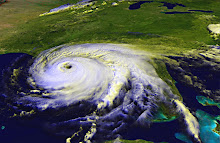
Invest 99 is now Tropical Depression 2. The track seems to be taking the area west-northwest in the Atlantic. Hopefully this one will stay far away from land. The National Hurricane Center is also watching two disturbed areas but there's a fairly low chance either one of them will develop.
If you live on the coast, it's a good idea to check out the NHC regularly. You can watch for anything developing that might affect your area and get that much more advance warning to make your preparations.
Tuesday, August 11, 2009


Sunday, August 9, 2009
Hurricane Season Begins
Just yesterday, I took a look back at hurricane seasons for the past 30 years, courtesy of Unisys Weather. I already knew that, in recent years, we'd had a named storm or two or nine by this time in August. I had to go back to 1992 to find the first named storm of the season forming in the 8th month -- that was Andrew, which turned into the Cat 5 monster that devastated south Florida. Here's a few more examples of late-starting seasons:
This morning, the National Hurricane Center is watching a tropical wave off the coast of Africa. Conditions are fairly good that this will develop. Early computer models available on Crown Weather and Weather Underground (see my links to the right) suggest that the system will move west northwest. Maybe it won't turn into a named storm. Maybe it will stay out in the Atlantic. If it does make landfall, it could strike anywhere along the eastern seaboard from Florida to Canada. If it makes a southerly turn, it could threaten Caribbean islands or any location around the Gulf of Mexico.
Yes, that's a lot of ifs, but if you have made no preparations for a hurricane and you live anywhere along the Atlantic or Gulf Coasts in North America, now is your chance to make a few moves.
Some people do nothing before a storm and rely on the government or other agencies to help them if they need it. Some people wait until the last minute, then run willy-nilly through the grocery store, throwing $200 worth of water, juices boxes, crackers, bread, and canned goods into their carts.
Think calmly and rationally now, when you're not under an immediate threat. One gallon of water per person per day is a good plan, because it'll be hot and you may be exerting yourself physically to clean up damage.
If you have a lot of food in your freezer, do you have a way of keeping it cool (generator) or of cooking it (gas stove, grill)? If so, you may not need to worry about having three days worth of canned goods.
Look at what you have in your pantry. Can you make breakfast, lunch, dinner, and a couple of daily snacks for your family for three days without electricity? If so, you won't have to spend a lot of money on food.
Think ahead now to special needs -- do you rely on prescription medication, oxygen, or home health aides? If so, talk to your providers and understand what will happen if electricity is out or roads are impassable. Is there a special needs shelter? Should you go there? Can you get on a list of "first response" at your power company? These are questions to ask now, not when you have a storm bearing down, offices are closing, phone lines are jammed.
Don't wait until the storm is at your doorstep to make plans.
| Storm | Formed | Strength | Landfall |
| T.S. Alberto | August 5, 1988 | tropical storm | Canada |
| Hurricane Arlene | August 8, 1987 | Cat 1 | Carolinas |
| T.S. Arthur | August 28, 1984 | tropical storm | none |
| Hurricane Alicia | August 15, 1983 | Cat 3 | Texas |
This morning, the National Hurricane Center is watching a tropical wave off the coast of Africa. Conditions are fairly good that this will develop. Early computer models available on Crown Weather and Weather Underground (see my links to the right) suggest that the system will move west northwest. Maybe it won't turn into a named storm. Maybe it will stay out in the Atlantic. If it does make landfall, it could strike anywhere along the eastern seaboard from Florida to Canada. If it makes a southerly turn, it could threaten Caribbean islands or any location around the Gulf of Mexico.
Yes, that's a lot of ifs, but if you have made no preparations for a hurricane and you live anywhere along the Atlantic or Gulf Coasts in North America, now is your chance to make a few moves.
- Buy a few extra gallons of water and some food that doesn't require refrigeration.
- Make sure you have a battery-operated radio and flashlights AND fresh batteries.
- Check your medicine cabinet or first aid kit to make sure you have Band-Aids, antibacterial wipes, rubbing alcohol, aspirin or acetaminophen.
- Think about how you'll prepare your home and family if the storm comes your way.
Some people do nothing before a storm and rely on the government or other agencies to help them if they need it. Some people wait until the last minute, then run willy-nilly through the grocery store, throwing $200 worth of water, juices boxes, crackers, bread, and canned goods into their carts.
Think calmly and rationally now, when you're not under an immediate threat. One gallon of water per person per day is a good plan, because it'll be hot and you may be exerting yourself physically to clean up damage.
If you have a lot of food in your freezer, do you have a way of keeping it cool (generator) or of cooking it (gas stove, grill)? If so, you may not need to worry about having three days worth of canned goods.
Look at what you have in your pantry. Can you make breakfast, lunch, dinner, and a couple of daily snacks for your family for three days without electricity? If so, you won't have to spend a lot of money on food.
Think ahead now to special needs -- do you rely on prescription medication, oxygen, or home health aides? If so, talk to your providers and understand what will happen if electricity is out or roads are impassable. Is there a special needs shelter? Should you go there? Can you get on a list of "first response" at your power company? These are questions to ask now, not when you have a storm bearing down, offices are closing, phone lines are jammed.
Don't wait until the storm is at your doorstep to make plans.
Saturday, August 8, 2009
Perfect Emergency Kit Food
I just learned about a company that makes pre-packed snacks and meals that require no refrigeration and have a shelf-life of up to two years. The company is GoPicnic. They started out making meal packages for the airline industry. Now, before you say "Ugh, airline food!" GoPicnic's products sound really good. I think I may have had one or two of their snack packs before on flights, or at least something similar, and they were quite tasty.
I wouldn't suggest buying enough of these GoPicnic meals to feed the whole family for a week, but a few of them would add variety to the canned tuna and peanut butter that are staples in a post-storm blackout. You could open one and let each member of the family choose something or give everyone a box of their own to open.
If you're lucky enough not to use these during hurricane season, they make great snacks or lunches for school or work. Buy a few more going into the next season.
The important thing, as always, is to have enough provisions to feed your family for at least three days. After that, maybe the National Guard and Red Cross will be passing out MREs somewhere or major stores will be re-opening.
Monday, July 27, 2009
Storm Safety for Your Data
If you plan to evacuate, be ready to take all your important papers -- such as mortgage, insurance, identification and documents. If your home is flooded or washed away, those documents could be damaged or lost. Having them with you will help expedite filing claims and receiving benefits.
If you have a camera or camcorder, take photos of your home before the storm. Show your prep work, like how your windows are protected, so you can prove you took steps to protect your property. Also take photos of the home's contents to help prove loss or damage. Be sure to take the photos and video with you.
If you have a lot of important data on your computer, anything from your family photos to that novel you've been working on for three years, consider an offsite back up. Companies like Carbonite will let you store unlimited amounts of data for about $55 a year, and it's encrypted for security. That's not something to do at the last minute, because it could take hours or even days, depending on your connection speed, for your entire hard drive to upload. Until midnight on July 28, 2009, you can enter for a free year of Carbonite service over at MommyPR.
Another option is to buy an external hard drive that's large enough to back up everything on your computer. Don't forget to pack it before you leave.
The time to think about what you'll take with you is before you're panicked with a storm bearing down on you. Make your list today. Tack it up to a bulletin board or tape it to the fridge and add to it every time you think of something important. Wedding photos. Heirloom jewelry. The irreplaceable mementos of life and family. You may have to pare down your list to fit everything in the car, but maybe you can avoid the thought, 200 miles down the road, that you've left something valuable behind because you just didn't think of it.
Saturday, July 25, 2009
Easy Survival Kit
If you're in a hurry to get everything you need for a disaster (not too big a hurry, because it has to be shipped to you), check out this website: ICE-QUBE Preparedness Kits. This company does the shopping, so you don't have to. They have small, basic kits for about $20 all the way up to the deluxe $950 kit that has supplies for four people in a sturdy trunk.
Can't spend that kind of money? Take a look at ICE-QUBE's Luxe Kit and print out the supplies that are included. Take it to the store with you. You can be sure you're not forgetting anything, but you may not need to buy everything on the list. Hopefully, you already have pliers, a shovel, flashlight and some of the other basic supplies.
A great idea to keep from having to shell out big bucks at the last minute is to buy a few items along every month. Escambia County's emergency preparedness site at one time had a printable list broken down by weeks. Week 1, you buy these items. Week 2 is a different list and so forth, for 11 weeks. You started at the beginning of hurricane season or maybe a couple of weeks before. The bad storms usually don't hit until later in the summer and by then, you'll have everything you need. Unfortunately, they took that list down, and I didn't save a copy. The idea is still valid, you just have to consider everything you'd need in the event of an emergency and buy a few items along. As you buy, check them off the list until you have everything you need.
Remember, whether you buy a ready-made kit or assemble your own:
- Food and water will go bad. Check your supplies at least once a year and make sure the food is not past the sell-by date on the label.
- Batteries will go dead just sitting in the package. Replace with fresh batteries at least once a year. Sometimes they have use-by dates on the label as well.
- Some plastics will deteriorate just sitting in storage, especially if you keep the kit in an attic or garage that isn't temperature controlled. It's good to pull out your emergency kit once or twice a year and go through everything to make sure it's still in usable condition, the flashlights and radios work, the food is fresh, the plastic sheeting isn't starting to tear, mice didn't eat into any of the packaging, etc.
- Your needs may change. Last year, maybe you didn't have a baby or a pet or a special health consideration. Always consider whether you need to update your kit.
Friday, June 19, 2009
Hurricane Survival Links
I created most of the posts on this website in 2008. In June, 2009, with hurricane season barely underway and the tropics quiet (so far), I have updated the links in last summer's posts. The information remains valid. It's important to have an emergency plan in place, because sometimes you get just two or three days notice. Even if a storm builds over weeks in the Atlantic, the track may change at the last minute, and you'll find yourself facing a disaster you thought would befall someone else. I hope if you have found your way here, you'll take a few minutes to read those 2008 posts and think about the ideas presented here and on the recommended websites.
Thursday, June 18, 2009
Are you ready for a disaster?
It's always amazing to me that people who live in coastal communities generally don't make any special preparations for hurricane season or consider it anything to worry about until the storm is a couple of days away and making a beeline for their homes.
The National Hurricane Survival Initiative is a new website that focuses on the importance of preparation and provides some terrific resources and information. On the front page, they link to a poll, completed in May 2009, in which they asked people who live in coastal communities about the forthcoming hurricane season. More than half said they don't feel vulnerable to hurricane damage. More than half said they don't have a family disaster plan. Nearly a third said they would take no special steps to prepare their home for a hurricane. Eight percent of the people surveyed said they would use tape to protect their windows!
If you are reading this blog, I hope that means you are concerned about the safety of your home and family and are prepared for the event of an emergency.
Hurricane preparedness = disaster preparedness. If you are ready to weather a storm, then you'll be prepared for a pandemic, a terrorist attack, another natural disaster, an unexpected blackout, or any other emergency situation.
Remember, it's better to be prepared for no reason, then to be unprepared when disaster strikes!
Subscribe to:
Posts (Atom)